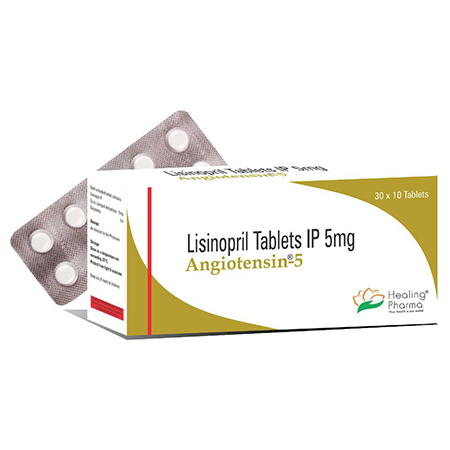
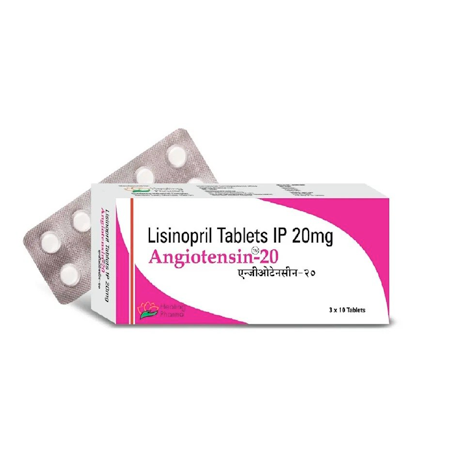
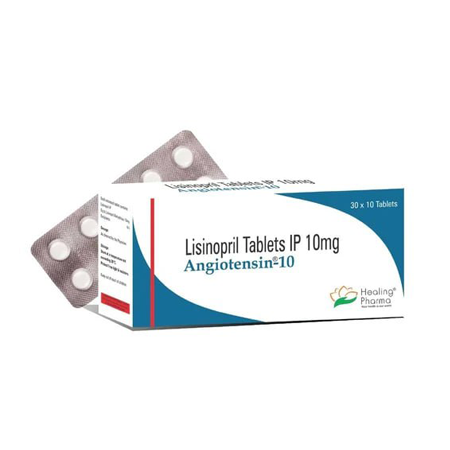
Zestril is a prescription medication containing lisinopril, an angiotensin-converting enzyme (ACE) inhibitor used to treat hypertension (high blood pressure), heart failure, and improve survival after a heart attack. By lowering blood pressure and reducing the workload on the heart, Zestril helps decrease the risk of serious cardiovascular complications such as heart attack, stroke, and kidney damage.
The medication works by blocking the angiotensin-converting enzyme, preventing the production of angiotensin II, a hormone that causes blood vessels to constrict. This allows blood vessels to relax and widen, improving blood flow, lowering blood pressure, and making it easier for the heart to pump blood throughout the body.
Zestril may be prescribed alone or together with other antihypertensive medications depending on the patient's condition. It should be taken consistently as directed by a healthcare provider, with or without food. Even if symptoms improve or blood pressure becomes well controlled, treatment should not be discontinued without medical advice.
Common side effects may include dry cough, dizziness, headache, fatigue, low blood pressure, and elevated potassium levels. In rare cases, Zestril may cause angioedema, a serious allergic reaction involving swelling of the face, lips, tongue, or throat that requires immediate medical attention. Regular monitoring of blood pressure, kidney function, and electrolyte levels may be recommended during treatment.
Before taking Zestril, patients should inform their healthcare provider about any history of kidney disease, liver disease, heart conditions, diabetes, pregnancy, or medications they are taking. Zestril should not be used during pregnancy because it may cause serious harm to the developing fetus. When used as prescribed, Zestril is an effective medication for managing blood pressure, supporting heart function, and protecting long-term cardiovascular health.
 CATEGORY